
Leather has been part of human craftsmanship for thousands of years, but the way it’s made today looks very different from decades past. As more customers ask where their products come from, sustainability has become just as important as style and durability — and at Pfareed, it’s something we take seriously.
Genuine leather, when sourced and tanned responsibly, is actually one of the more sustainable materials you can own. Unlike synthetic leather, which is often made from plastic-based materials that take hundreds of years to break down, real leather is biodegradable and, more importantly, built to last. A well-made leather wallet or belt doesn’t need to be replaced every year — it can last a decade or longer with basic care, which means less waste over time compared to cheaper alternatives that wear out quickly.
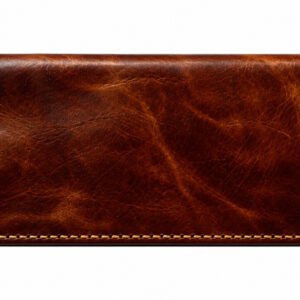
The tanning process plays a big role in how sustainable a piece of leather really is. Vegetable tanning, one of the oldest methods still used today, relies on natural tannins from tree bark and plants rather than harsh chemicals. It takes longer and requires more skill, but the result is leather that ages beautifully, developing a rich patina the more it’s used — something you simply don’t get with mass-produced synthetic materials.
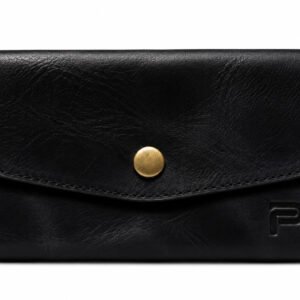
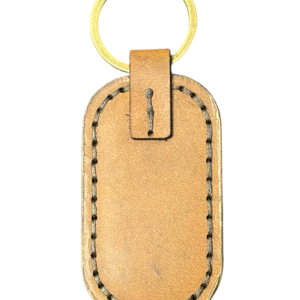
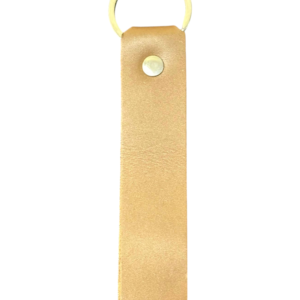
At Pfareed, we focus on working with genuine, responsibly sourced leather and skilled craftsmen who understand the value of doing things the right way, not the fastest way. Every wallet, belt, and keychain we make is designed with longevity in mind, because the most sustainable product is one that never needs to be thrown away.
Choosing real leather isn’t just about style — it’s a small step toward buying less, but buying better.

Leave a Reply